
Skin tags, common in friction areas, vary by type and cause. Tag Removal Glasgow options include non-surgical methods like cryotherapy and laser treatments, or surgical excision. Post-removal care involves preventing infection, avoiding scratching, cleaning, moisturizing, and protecting from sunlight. Regular follow-ups are crucial for optimal results and to prevent future skin tags.
Looking for effective skin tag removal in Glasgow? This comprehensive guide explores various methods to eliminate these common skin growths. We delve into understanding skin tags, their causes, and types. Discover non-surgical options, or consider surgical excision with our detailed step-by-step guide. Learn essential prevention techniques and post-removal home care tips. Whether you prefer professional treatment or DIY solutions, this article equips you with the knowledge to make an informed decision about tag removal in Glasgow.
- Understanding Skin Tags: Causes and Types
- Non-Surgical Tag Removal Options
- Surgical Excision: A Comprehensive Guide
- Prevention and Home Care After Removal
Understanding Skin Tags: Causes and Types

Skin tags, also known as acrochordons, are small, soft skin growths that typically appear on the neck, armpits, groin, or other areas where skin rubs against itself. They are generally harmless and often go unnoticed, but some individuals may find them unsightly or uncomfortable. Understanding their causes is an essential step in considering Tag Removal Glasgow options.
There are several types of skin tags, with the most common being acral tags, which can develop anywhere on the body. They are usually caused by frequent friction or irritation. Other types include sebaceous tags, often found on the face and neck, and tag-like keratoses, which are associated with sun exposure. While they may vary in appearance, all skin tags are composed of skin tissue and blood vessels, growing off the surface of the skin.
Non-Surgical Tag Removal Options

Non-surgical tag removal options have gained popularity in recent years, offering a range of alternatives to traditional surgical excision. In Glasgow, for instance, several clinics now provide effective and minimally invasive methods to eliminate skin tags. One such option is cryotherapy, where liquid nitrogen is used to freeze and destroy the skin tag. This quick procedure is often painless and can be carried out in just a few minutes, making it a convenient choice for those seeking Tag Removal Glasgow services.
Laser treatments are another non-surgical method that has proven successful in removing skin tags. Laser technology targets the blood vessels within the tag, causing them to shrink and eventually disappear. This process is generally more precise than cryotherapy and can be tailored to specific tag sizes and locations. As with any procedure, it’s essential to consult a qualified professional for Tag Removal Glasgow to ensure the best results and minimal risks.
Surgical Excision: A Comprehensive Guide
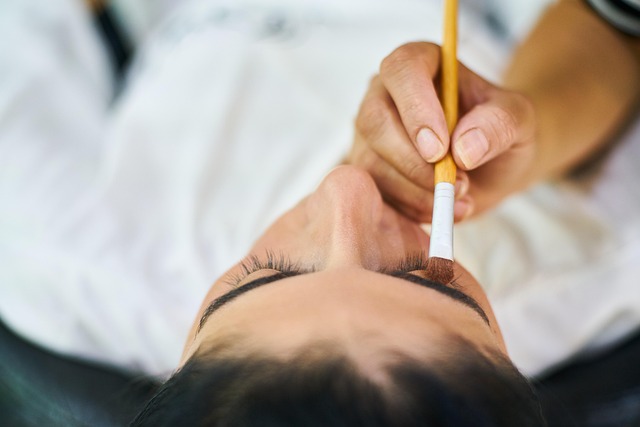
Surgical excision is one of the most effective methods for skin tag removal, especially for larger or multiple tags. This procedure involves a qualified healthcare professional cutting out the skin tag with a small scalpel or surgical blade. The area is then meticulously cleaned and dressed to prevent infection. It’s a relatively quick process, often taking just a few minutes, and is usually performed as an outpatient procedure in a clinic or doctor’s office.
In Glasgow, Tag Removal Glasgow services are readily available from dermatology clinics and specialized skin care centers. These facilities offer sterile environments and the expertise of experienced medical professionals. While there may be some discomfort during the excision, local anesthesia can be administered to minimize any pain. It’s important to follow post-operative care instructions provided by your healthcare provider to ensure optimal healing and reduce the risk of complications.
Prevention and Home Care After Removal

After getting skin tags removed, proper prevention and home care are essential for maintaining healthy skin. One effective way to prevent regrowth is to avoid scratching or picking at the area, as this can stimulate new growth. Regular cleaning with a mild soap and water is crucial; gently pat the treated skin dry without rubbing.
For home care, keeping the skin moisturized can aid in healing and reduce itching. However, it’s important not to use any topical creams or oils on the removal site until completely healed. Additionally, protecting the skin from harsh sunlight with clothing or sunscreen is recommended, as UV exposure might cause further issues. Remember that consistent follow-up appointments with a dermatologist or specialist in Tag Removal Glasgow can significantly assist in managing and preventing future skin tag occurrences.
Removing skin tags can greatly enhance your appearance and comfort, with various options available in Glasgow. From non-surgical methods like cryotherapy and topicals to surgical excision for more persistent tags, each has its merits. Post-removal care is crucial for optimal results and preventing reoccurrence. By understanding the different approaches and choosing the right method for you, you can bid farewell to unsightly skin tags once and for all.